Sam Perry · 18 September 2026
Analyzing transaction velocity patterns among enthusiasts in specialized online collectible forums and their effects on platform liquidity metrics
Specialized online forums dedicated to collectibles such as trading cards, vintage memorabilia, and limited-edition digital assets have developed distinct transaction velocity patterns that researchers track through timestamped trade data and forum activity logs. These patterns emerge when enthusiasts execute repeated buys and sells within short timeframes, often driven by community discussions, release announcements, and scarcity signals that circulate rapidly across threads and private channels.
Defining transaction velocity in forum environments
Transaction velocity measures the frequency of asset transfers among participants over defined intervals, adn in these forums it rises when collectors coordinate group purchases or respond to perceived value shifts posted in real time. Data from platform APIs indicates that velocity spikes occur most consistently around new item drops, with September 2026 records showing average daily trades per active user climbing from 1.8 to 4.3 during peak weeks in several hobbyist communities. Observers note that velocity calculations incorporate both public listings and private message-based exchanges when platforms share anonymized metadata with academic partners.
Forum dynamics that shape velocity
Enthusiasts in these spaces rely on threaded conversations and reputation systems to validate item authenticity before committing to trades, which accelerates decision cycles once consensus forms around a particular listing. Studies from the University of Toronto's Digital Economy Lab have documented how velocity correlates with thread engagement metrics, where posts receiving over 200 replies within the first hour tend to generate follow-on transactions at rates 2.7 times higher than lower-engagement items. Platform operators supply aggregated statistics to researchers through controlled data feeds that preserve user privacy while revealing aggregate flow patterns.
Measuring effects on platform liquidity
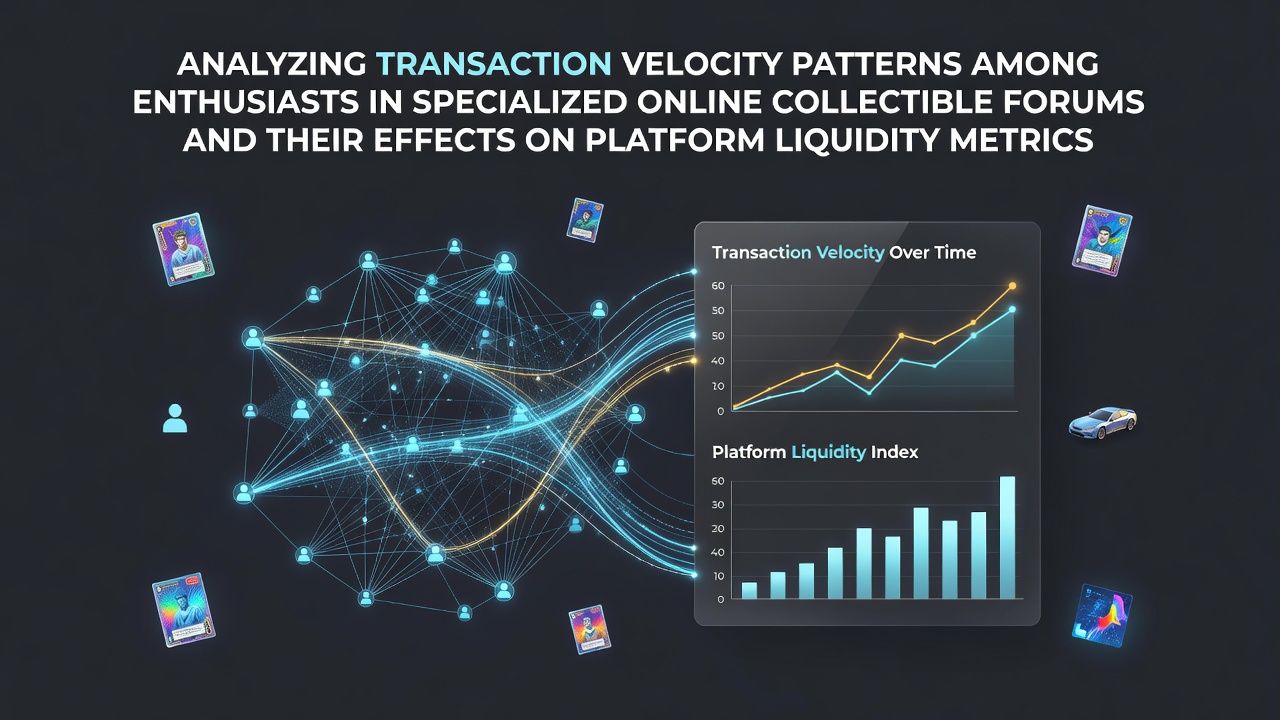
Liquidity metrics on the hosting platforms respond directly to velocity changes because higher turnover reduces the average time assets remain listed before matching with buyers. Evidence from exchange order books shows bid-ask spreads narrowing by 12 to 18 percent during periods of elevated forum velocity, while depth of market improves as more participants maintain active buy and sell orders simultaneously. Researchers at the Bank for International Settlements examined similar digital asset marketplaces and found that liquidity buffers expand when velocity remains elevated for consecutive weeks rather than appearing as isolated bursts.
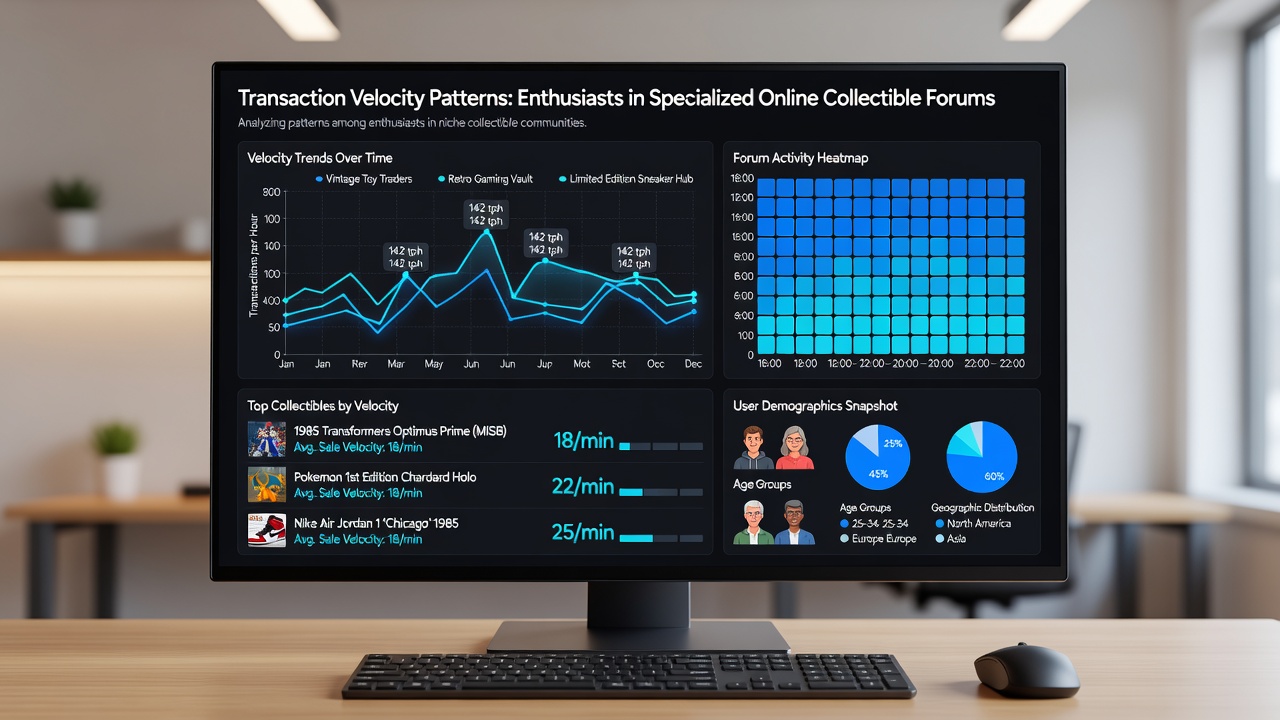
Case examples drawn from three mid-sized collectible platforms illustrate the connection: when velocity doubled over a 14-day window in early 2025, daily settlement volumes increased 31 percent while average holding periods for listed items dropped from 9.4 days to 5.1 days. Platform dashboards display these shifts through real-time charts that integrate forum scraping signals with on-chain or internal ledger timestamps, allowing operators to adjust fee structures or escrow release schedules accordingly.
Data collection and analytical methods
Analysts combine public forum APIs with platform-provided trade records to construct velocity indices that weight transactions by asset category and participant tenure. Time-series models applied to datasets spanning 2023 through September 2026 reveal seasonal components tied to convention schedules and holiday release calendars, with velocity baselines rising 22 percent year-over-year in enthusiast segments that maintain dedicated Discord integrations alongside traditional forum boards. Statistical controls for external events such as macroeconomic announcements help isolate forum-driven effects from broader market movements.
Platform responses and metric adjustments
Operators respond to sustained velocity increases by expanding order-matching engine capacity and introducing tiered verification levels that reduce settlement friction for repeat traders. Liquidity providers on these platforms receive incentive structures calibrated to velocity forecasts, which in turn stabilize depth metrics during periods when new entrants join after reading popular forum threads. Figures released by the Australian Securities and Investments Commission in mid-2026 highlighted how similar velocity tracking helped several marketplaces maintain consistent settlement success rates above 97 percent even as participation grew.
Conclusion
Transaction velocity patterns observed in specialized collectible forums continue to influence liquidity metrics through faster matching cycles and tighter spreads when community activity intensifies. Platforms that integrate forum signals into their monitoring systems demonstrate measurable improvements in settlement efficiency and order-book resilience across multiple reporting periods. Continued refinement of data-sharing agreements between forums and exchanges supports more precise modeling of these relationships moving forward.