Mia Baumann · 4 September 2026
Decoding Ownership Shifts and Visibility Patterns in Niche Digital Marketplaces
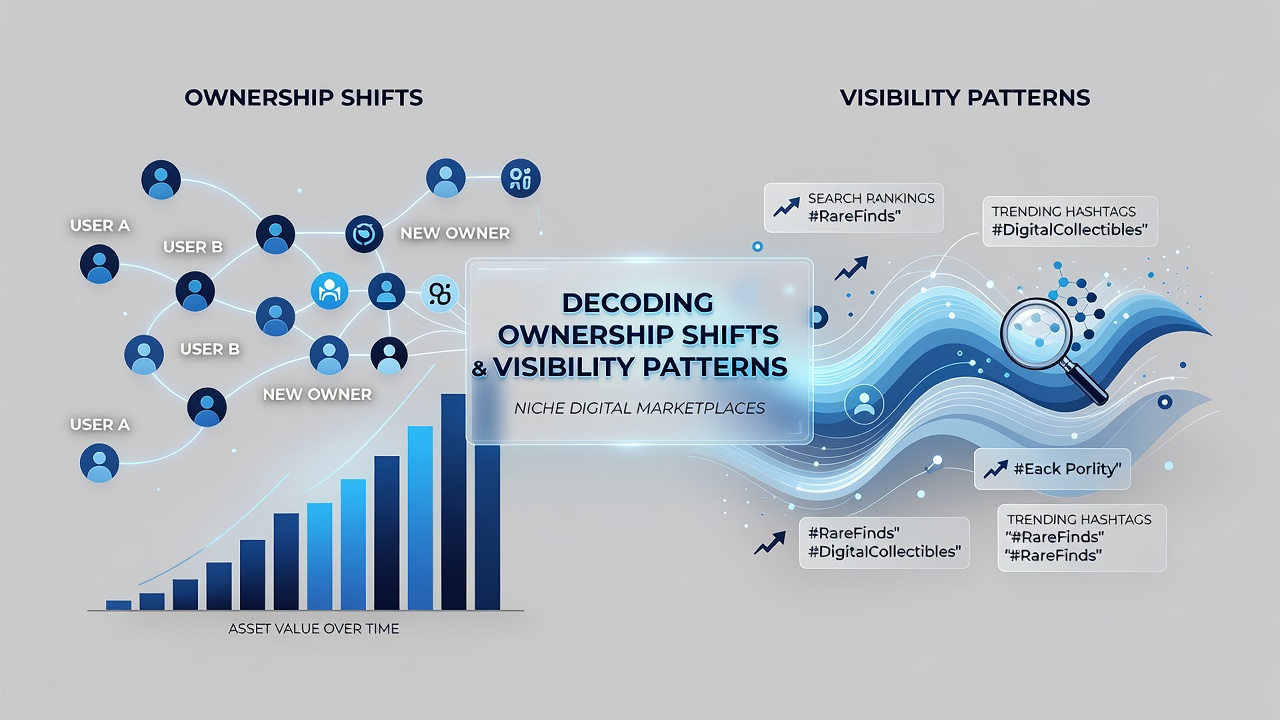
Ownership transfers in niche digital marketplaces occur through acquisitions, mergers, and domain handovers that reshape who controls specific online ecosystems, and researchers track these movements using public records alongside platform disclosures. Data from transaction logs show clusters of activity in sectors such as specialized e-commerce sites, hobbyist forums, and targeted service directories where smaller operators sell to larger entities seeking audience concentration. Observers note that these shifts often coincide with updates to backend infrastructure that alter how search engines index content, producing measurable changes in organic reach over subsequent quarters.
Tracking Ownership Through Public and Private Records
Domain registrars release limited WHOIS data that reveals registrar moves and registrant details when privacy protections allow, while corporate filings with securities regulators disclose larger stake purchases in platform operators. Studies conducted by academic teams at institutions across North America and Europe have compiled longitudinal datasets that link ownership changes to subsequent modifications in site architecture, content velocity, and backlink acquisition rates. Those datasets indicate that ownership concentration frequently leads to centralized content strategies that favor high-volume pages over fragmented user-generated material, and this pattern emerges consistently across multiple marketplace categories examined between 2022 and 2025.
Regulatory bodies such as the Australian Competition and Consumer Commission have published reports examining how platform ownership influences competitive dynamics in digital advertising spaces, and those documents highlight instances where consolidated control correlates with altered visibility for independent sellers. European Commission analyses of digital market structures similarly document cases in which post-acquisition redesigns affected crawl frequency and ranking signals, providing quantitative benchmarks that analysts now apply to niche segments. The European data covers sectors ranging from vintage collectibles exchanges to specialized software repositories, offering comparative baselines that extend beyond broad consumer platforms.
Visibility Patterns Following Structural Changes
Search visibility metrics shift when new owners implement unified navigation systems, standardized metadata schemas, or accelerated indexing partnerships, and these adjustments produce detectable movements in keyword rankings within weeks. Traffic analysis tools record spikes or drops that align with ownership announcements rather than seasonal demand curves, suggesting causal connections that platform operators monitor through internal dashboards. Researchers who examined several hobbyist marketplaces found that post-transfer emphasis on sponsored listings reduced the prominence of organic listings, while parallel improvements in mobile rendering increased overall session duration across the domain.
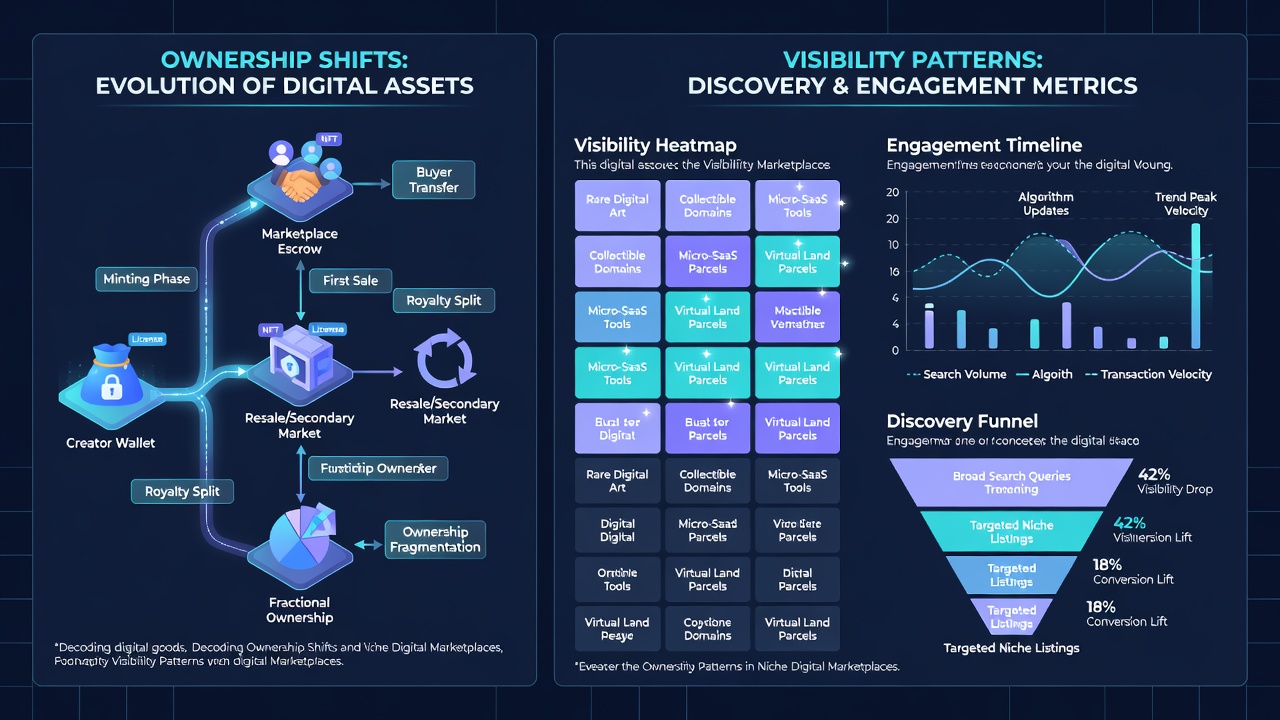
Patterns also appear in backlink profiles when acquiring entities redirect legacy URLs or consolidate subdomains, and these technical decisions influence how external sites reference the marketplace. Industry reports from Canadian research organizations have quantified average changes in referring domain counts following major transfers, noting that sustained visibility requires deliberate outreach to maintain citation networks built under previous management. Data compiled through September 2026 projections indicate continued acceleration of such consolidations in specialized verticals, with particular activity expected in educational resource exchanges and maker-community platforms where audience loyalty transfers unevenly during ownership transitions.
Analytical Approaches Used by Market Observers
Analysts combine historical archive snapshots with current crawl data to reconstruct visibility trajectories before and after documented ownership events, and this comparative method isolates the effects of structural interventions from broader algorithmic updates. Tools that monitor indexation status across multiple search engines reveal discrepancies in how quickly new ownership signals propagate through different ranking systems. Those who have compiled multi-year case studies report that marketplaces undergoing rapid redesigns experience temporary visibility dips followed by recovery phases whose duration depends on the thoroughness of technical migration planning.
Academic papers published in peer-reviewed journals have modeled these recovery curves using regression techniques that incorporate ownership variables alongside content freshness indicators. The resulting equations help forecast visibility outcomes for similar transfers still in progress, and practitioners apply the models when evaluating acquisition targets. External datasets from organizations focused on digital infrastructure further supplement these models by supplying regional benchmarks on hosting changes and content delivery network adoption rates that often accompany ownership shifts.
Conclusion
Ownership shifts continue to drive measurable alterations in visibility patterns across niche digital marketplaces, and systematic monitoring of public records combined with performance metrics provides the factual basis for understanding these dynamics. Data compiled through mid-2026 show consistent correlations between consolidation events and subsequent changes in search presence, while regulatory and academic sources supply the comparative context needed to interpret individual marketplace trajectories. Analysts who maintain ongoing tracking of these variables obtain clearer pictures of how control changes translate into audience access outcomes.