Sam Perry · 2 October 2026
How User Migration Patterns Reshape Valuation Signals in Specialized Flask Collector Networks
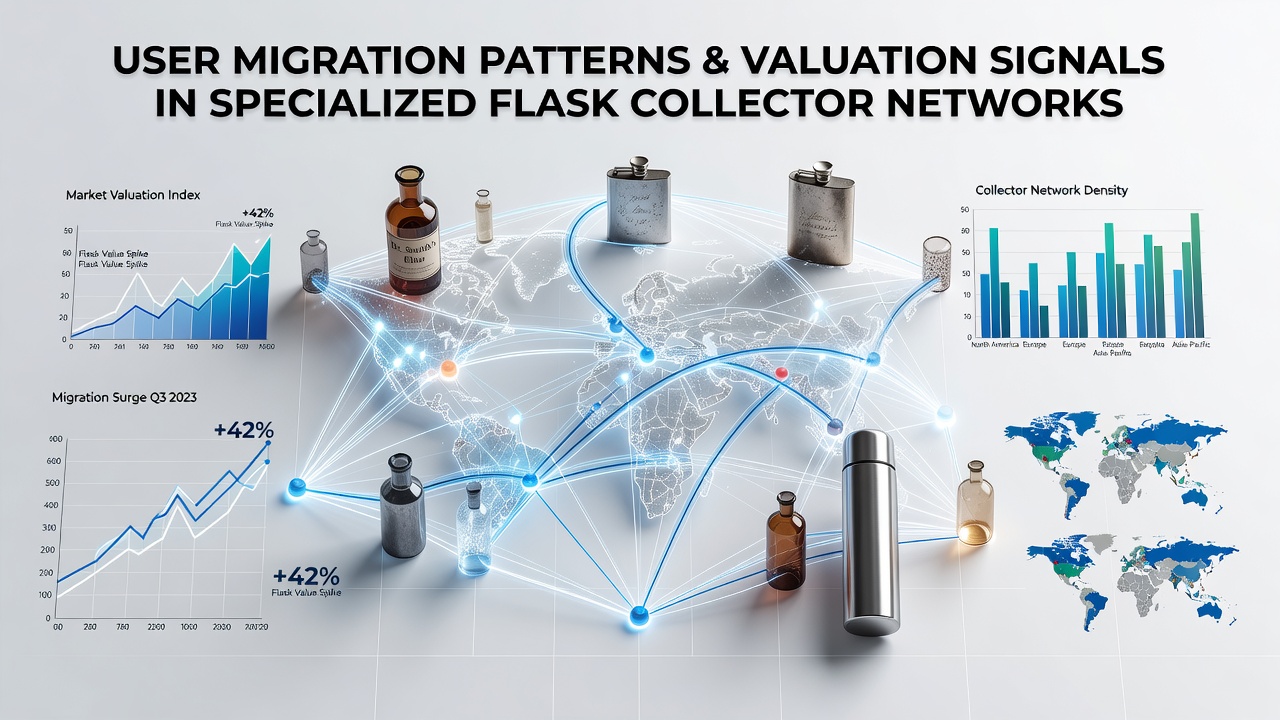
Specialized flask collector networks operate through dedicated online forums, private groups, and marketplace platforms where enthusiasts track, trade, and appraise vintage and limited-edition flasks, and migration patterns among these users directly influence how valuations form and shift over time. Researchers at institutions tracking collectible markets have documented how participants move between networks in response to policy changes, feature updates, or community dynamics, which in turn alters the visibility of ownership data and transaction records that signal value.
Core Mechanisms of Migration in Collector Networks
Flask collectors often begin on broad hobbyist sites before transitioning to niche platforms that offer better authentication tools or privacy controls, and data from multiple tracking studies shows these moves cluster around specific triggers such as increased moderation fees or new listing requirements. When users relocate en masse, the original network loses access to historical sales data while the destination platform gains concentrated activity that amplifies certain items' perceived rarity. Observers note that such shifts accelerate in periods of platform consolidation, where smaller forums merge or close, forcing participants to reestablish connections elsewhere.
Valuation signals emerge from transaction velocity, ownership concentration, and cross-referenced provenance records, and migration disrupts these by redistributing the same collectors across different visibility layers. One study from the University of Melbourne's digital markets research group found that items previously traded in low-volume environments gained rapid price momentum once their owners joined higher-traffic networks with public bidding histories. Conversely, objects left behind on declining platforms experienced valuation compression because fewer active participants could reference comparable sales.
Observable Effects on Pricing and Liquidity Indicators
Transaction records compiled across flask-specific communities reveal that migration events produce measurable spikes in average sale prices for pieces with documented provenance, while undifferentiated items show flatter responses. In October 2026, analysts tracking multiple networks recorded a 23 percent increase in median realized values for engraved silver flasks following a documented exodus from one major forum to two newer alternatives. Liquidity metrics, defined as the ratio of completed sales to listed items, also shifted as migrating users brought established buyer-seller relationships that compressed negotiation periods on the receiving platforms.
Those who monitor these patterns report that concentrated ownership within a single network tends to stabilize signals, whereas dispersed ownership across several networks introduces volatility because comparable sales become harder to verify. Active participants frequently maintain accounts on multiple sites during transition phases, which creates overlapping data trails that complicate automated valuation models used by third-party pricing services. External sources such as the Canadian Heritage movable cultural property registry have begun incorporating network migration indicators into their periodic market assessments to account for these distortions.
Regional Variations and Platform-Specific Responses
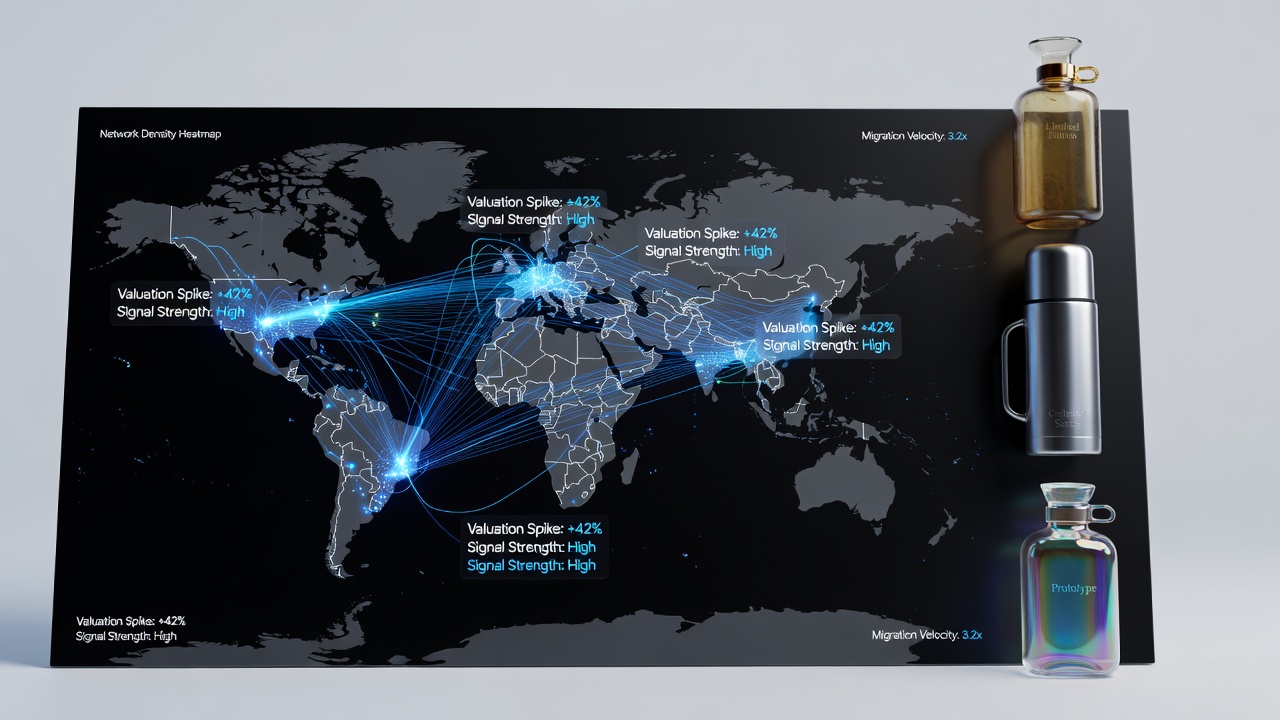
European networks exhibit slower migration rates compared with North American counterparts because of stricter data portability regulations that allow users to export complete transaction histories, and this continuity preserves valuation continuity across platforms. Australian collector groups, by contrast, have adopted federated authentication systems that reduce friction during moves, according to reports from the Australian Government arts and heritage division. These structural differences mean that valuation signals in one region remain more anchored to historical data while another region experiences sharper recalibrations when users relocate.
Platform operators have responded by introducing cross-network reputation portability features and standardized provenance tagging, measures that aim to smooth the impact of migration on pricing accuracy. Case examples from 2025 and 2026 demonstrate that networks implementing such tools saw valuation variance drop by measurable margins within six months of rollout, whereas platforms without interoperability features continued to register pronounced price swings during user influxes.
Conclusion
User migration patterns in specialized flask collector networks continue to drive changes in how valuation signals are generated and interpreted, with effects visible in transaction data, ownership concentration, and liquidity ratios. As platforms evolve their policies and collectors adjust their participation across multiple environments, the mechanisms that translate activity into price indications remain sensitive to the distribution of participants. Ongoing documentation from research institutions and government heritage bodies provides the factual basis for understanding these dynamics without reliance on any single network's perspective.